It’s easy to delay a dental visit when everything feels fine. No pain, no visible issues, no urgency – so it slips down the priority list. Many patients in Harrisburg, PA follow this pattern, assuming that daily brushing and flossing are enough to maintain a healthy smile. While those habits are essential, they don’t replace the depth of care and insight that comes from a professional dental check-up.
Regular dental visits are less about fixing problems and more about preventing them from developing in the first place. The difference may not be immediately visible, but over time, patients who stay consistent with check-ups often experience fewer complications, more predictable oral health, and less need for complex procedures.
At Nova Dental Harrisburg, located at 3301 Schoolhouse Lane, Harrisburg, PA 17109, patients searching for a top-rated dentist near me are encouraged to view dental check-ups as a long-term investment in their health rather than a reactive solution. The practice serves patients from surrounding areas including Progress, Colonial Park, Paxtang, Linglestown, Paxtonia, Uptown Harrisburg, Penbrook, Lawnton, Lower Paxton Township, Rutherford, Steelton, and Swatara Township.
Why “No Pain” Doesn’t Mean “No Problem”
One of the most common misconceptions in dentistry is that pain is the first sign of a problem. In reality, many dental conditions begin quietly. Cavities can develop beneath the surface, gum disease can progress without discomfort, and minor structural issues can worsen over time without noticeable symptoms.
By the time pain appears, the issue has often advanced to a stage that requires more involved treatment. Regular check-ups help bridge this gap by identifying early changes that patients would not be able to detect on their own. This proactive approach allows dentists to address concerns while they are still small, manageable, and less invasive.
Patients who regularly visit a dentist near you often avoid the cycle of waiting for discomfort before seeking care, which ultimately leads to better outcomes.
What Really Happens During a Dental Check-Up
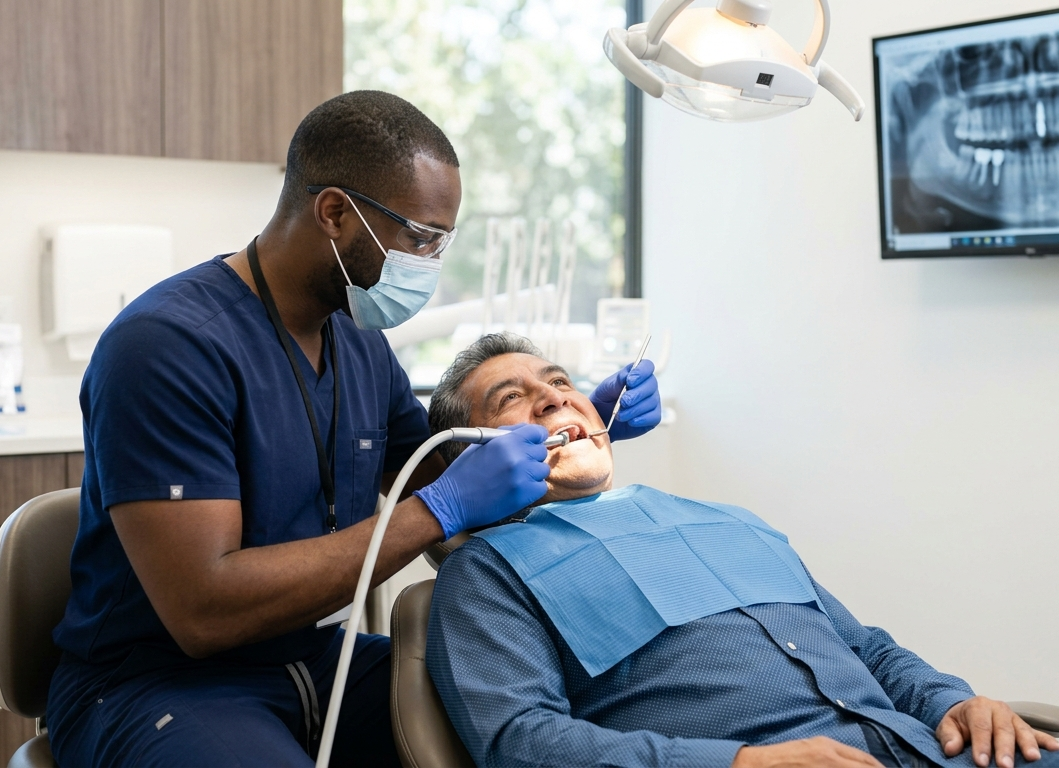
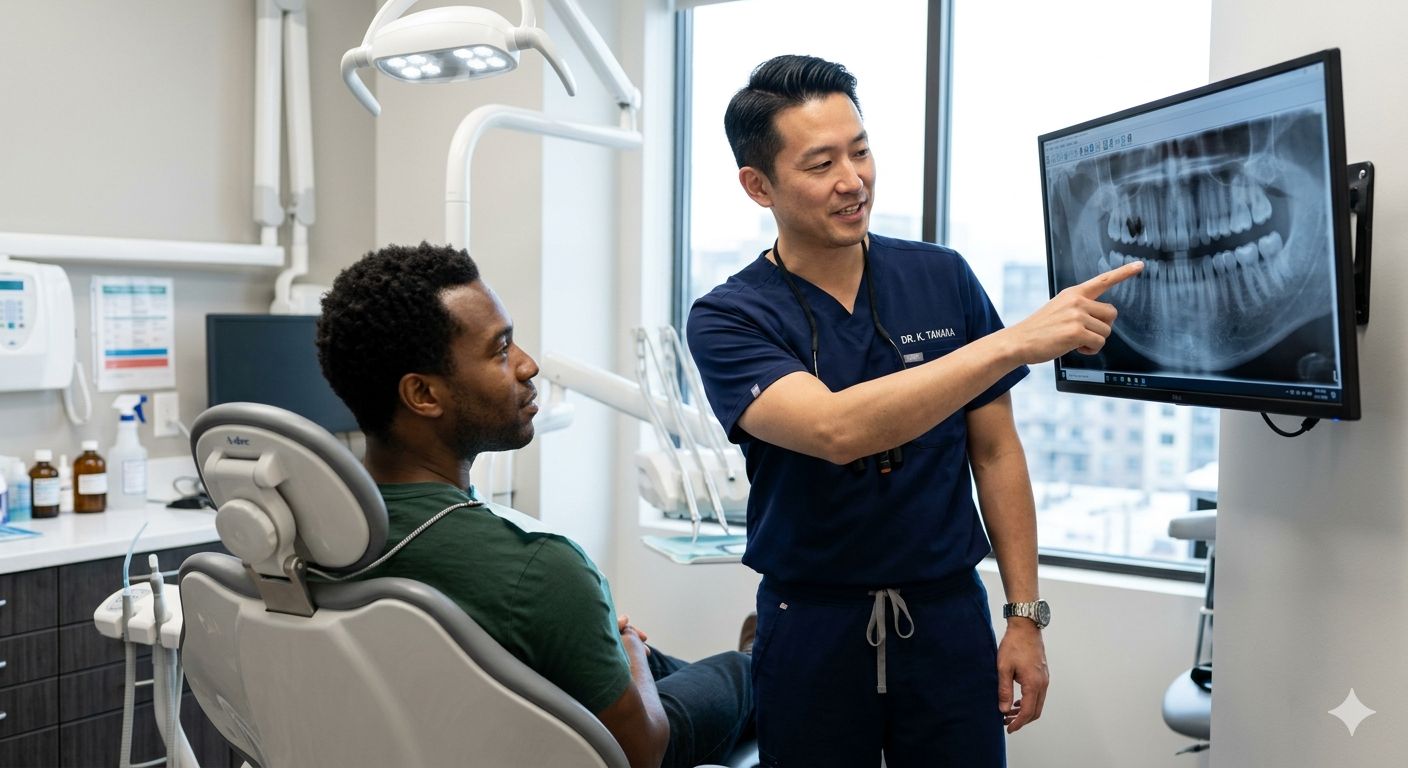
A dental check-up is more comprehensive than many patients expect. It goes beyond simply looking at teeth and involves a complete assessment of oral health, including gums, bite, and surrounding structures. Each visit provides an updated snapshot of your dental health, allowing your dentist to track changes over time.
During a typical visit, attention is given to:
- Early signs of decay that may not yet be visible
- Gum health and subtle inflammation
- Areas where plaque or tartar may be accumulating
- Wear patterns that could indicate grinding or bite issues
- The condition of existing dental work
This level of detail is what makes routine visits so valuable. Instead of reacting to problems, your dentist is actively monitoring and guiding your oral health.
Professional Cleanings: More Than Just a Polished Smile
Many patients associate dental visits with cleanings, but the benefits go far beyond aesthetics. Even the most consistent brushing routine cannot fully remove plaque from certain areas, especially around the gumline or between tightly spaced teeth. Over time, this buildup hardens into tartar, which requires professional tools to remove.
Professional cleanings help:
- Reduce bacterial buildup that contributes to decay
- Support healthier gums by removing irritants
- Improve breath freshness
- Create a smoother surface that makes future plaque accumulation less likely
Patients often describe the difference not just in how their teeth look, but in how their mouth feels after a thorough cleaning. It’s a level of cleanliness that is difficult to achieve at home.
The Long-Term Value of Early Detection
One of the most overlooked benefits of regular dental check-ups is how much they simplify future care. Treating a small cavity is far less complex than addressing a deep infection. Managing early gum inflammation is much easier than treating advanced periodontal disease.
Early detection can make a meaningful difference in:
- Treatment time and complexity
- Overall cost of care
- Comfort during procedures
- Preservation of natural tooth structure
Patients who maintain routine visits with a best dentist near me often find that dental care becomes more predictable and less stressful over time.
Gum Health Deserves Equal Attention
Teeth often get most of the focus, but gum health plays an equally important role in maintaining a healthy smile. Gum disease can develop gradually and without obvious warning signs, making professional monitoring essential.
Unchecked gum issues may lead to:
- Receding gums
- Bone loss around teeth
- Changes in tooth stability
- Increased sensitivity
Regular check-ups allow for early intervention, helping patients maintain not just their teeth but the foundation that supports them.
Consistency Builds Confidence in Oral Health
One of the less obvious benefits of regular dental visits is the confidence it builds over time. When patients stay consistent, they develop a better understanding of their oral health and feel more in control of it. Small adjustments to daily habits, guided by professional advice, can lead to noticeable improvements.
Patients who prioritize regular check-ups often experience:
- Fewer unexpected dental issues
- Greater comfort during appointments
- Better awareness of their oral health
- Increased confidence in their smile
This consistency transforms dental care from something reactive into something proactive and empowering.
When Skipping Visits Starts to Add Up
It’s not uncommon for patients to miss one appointment and then delay the next. Over time, this gap in care can allow minor issues to develop unnoticed. What could have been addressed quickly during a routine visit may eventually require more extensive treatment.
Skipping check-ups may lead to:
- Undetected cavities that worsen over time
- Increased plaque and tartar buildup
- Progression of gum disease
- Greater likelihood of dental emergencies
Understanding these risks often helps patients see routine visits as an essential part of maintaining overall health, not just oral hygiene.
A Preventive Approach Makes Dental Care Easier
The biggest shift in modern dentistry is the move toward prevention. Instead of focusing only on treatment, dentists now aim to help patients avoid problems altogether. Regular check-ups are central to this approach because they provide the opportunity to guide patients before issues arise.
Preventive care is not about doing more – it’s about doing the right things at the right time. When patients commit to routine visits, they often find that dental care becomes simpler, less stressful, and more manageable in the long run.
Small Habits, Lasting Benefits
Regular dental check-ups may seem routine, but their impact extends far beyond a single appointment. They provide insight, early detection, and professional care that support long-term oral health. Patients who stay consistent with their visits often experience fewer complications, less invasive treatments, and greater confidence in their overall dental well-being.
For those searching for a top-rated dentist in Harrisburg, PA, the key takeaway is simple: maintaining regular dental check-ups is one of the most effective ways to protect your smile over time. Small, consistent efforts today can make a significant difference in your oral health for years to come.
FAQs
1. How often should I visit the dentist if I have no issues?
Most patients benefit from check-ups every six months, though your dentist may recommend a different schedule based on your oral health.
2. Can dental problems really develop without pain?
Yes. Many conditions, including cavities and gum disease, begin without noticeable discomfort.
3. What is the most important part of a dental check-up?
Early detection is key, as it allows issues to be addressed before they become more serious.
4. Do professional cleanings make a big difference?
Yes. They remove tartar and bacteria that cannot be eliminated through brushing alone.
5. What happens if I skip dental visits for a long time?
Small problems can progress into more complex issues, often requiring more extensive treatment later.