Tooth decay is one of the most common dental concerns affecting patients of all ages, yet many people delay treatment because they are unsure what dental fillings involve or whether they truly need one. In reality, dental fillings are a straightforward, effective solution that restores tooth structure, prevents further damage, and protects long-term oral health.
At Nova Dental Harrisburg, we believe patients deserve clear, honest information about their treatment options. Conveniently located at 3301 Schoolhouse Lane, Harrisburg, PA 17109, our team provides safe, modern, and patient-focused restorative care for individuals searching for a dentist near you who delivers reliable results with comfort in mind.
This guide explains the different types of dental fillings, how long they last, what to expect after treatment, and why early care makes a real difference for patients throughout Harrisburg and nearby communities.
Why Dental Fillings Are So Important
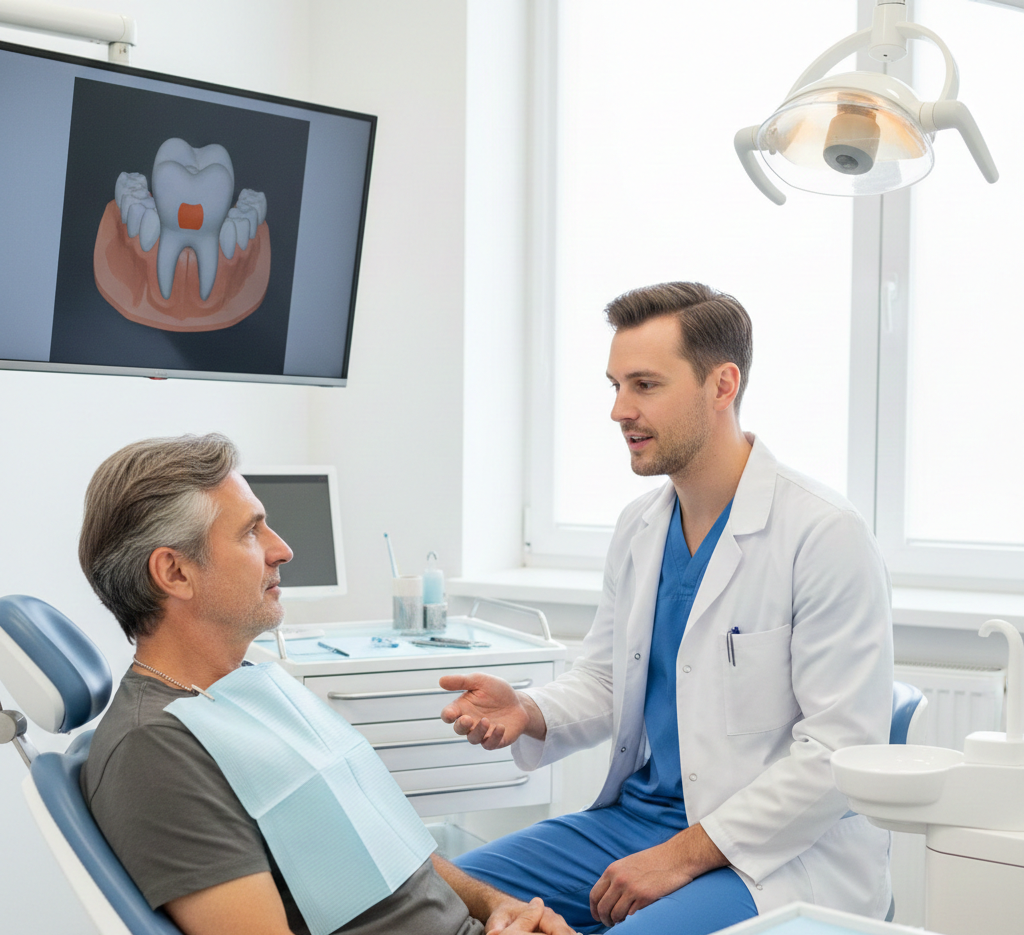
A cavity does not heal on its own. Once decay weakens the tooth structure, the damage can continue to spread beneath the surface – even if pain is mild or absent. Dental fillings stop decay in its tracks by removing damaged tissue and sealing the tooth before complications develop.
Dental fillings help:
- Restore strength and function to a damaged tooth
- Prevent decay from spreading deeper
- Reduce sensitivity to hot and cold
- Lower the risk of infection or root canal treatment
- Preserve your natural tooth
Patients who receive timely fillings often avoid more extensive procedures later, which is why fillings remain one of the most effective preventive treatments in dentistry.
Signs You May Need a Dental Filling
Not all cavities cause obvious discomfort at first. In many cases, decay is detected during routine exams before symptoms appear. However, some common warning signs include:
- Sensitivity to sweets, heat, or cold
- Toothache or sharp pain when biting
- Visible dark spots or holes on a tooth
- Rough or chipped tooth edges
- Food frequently getting stuck in one area
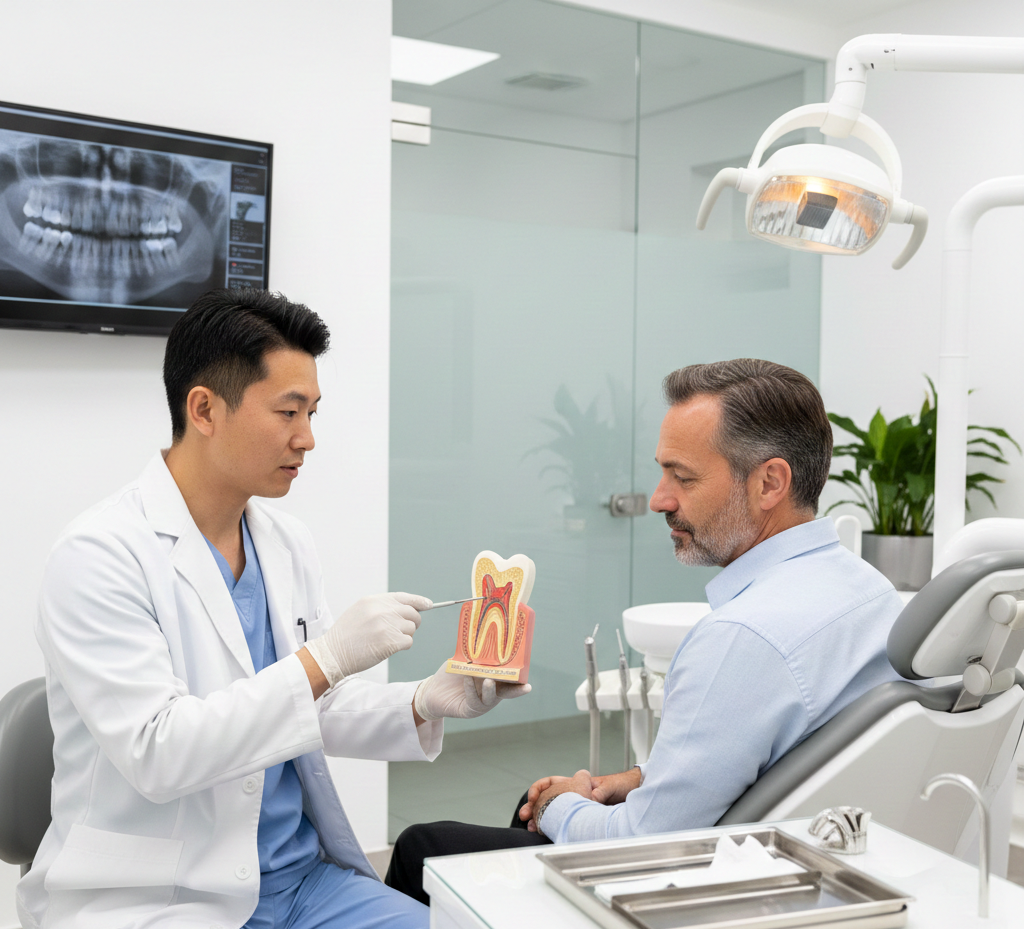
At Nova Dental Harrisburg, advanced diagnostic tools help identify decay early, allowing treatment to remain simple and conservative.
Types of Dental Fillings Available
There is no single “best” filling material for every patient. The right option depends on the location of the cavity, biting pressure, cosmetic preferences, and long-term goals.
Composite (Tooth-Colored) Fillings
Composite fillings are made from a durable resin designed to blend naturally with your tooth color. They are commonly used for visible teeth and moderate-sized cavities.
Benefits include:
- Natural appearance
- Strong bonding to the tooth
- Minimal removal of healthy structure
- Mercury-free material
Composite fillings are one of the most popular choices for patients seeking both function and aesthetics.
Amalgam (Silver) Fillings
Amalgam fillings have been used for decades and are known for their strength, particularly in back teeth that handle heavy chewing forces.
Advantages include:
- High durability
- Long lifespan
- Cost-effective option
While less common today due to cosmetic preferences, amalgam fillings may still be recommended in certain cases.
Ceramic or Porcelain Fillings
Ceramic fillings are custom-made and often used when a larger portion of the tooth needs repair.
Key features include:
- Excellent stain resistance
- Natural tooth-like appearance
- Strong and long-lasting material
These fillings are often considered when durability and aesthetics are equally important.
Glass Ionomer Fillings
Glass ionomer fillings release fluoride over time, helping protect against future decay. They are typically used for children or areas with low chewing pressure.
How Long Do Dental Fillings Last?
The lifespan of a dental filling depends on the material used, your oral hygiene habits, and how much stress the tooth experiences.
Average longevity:
- Composite fillings: 5–10 years
- Amalgam fillings: 10–15 years or longer
- Ceramic fillings: 10+ years
Regular dental visits allow your dentist to monitor existing fillings and recommend replacement before problems develop.
What to Expect During a Filling Appointment
Dental fillings are routine procedures designed to be comfortable and efficient. During your visit:
- The tooth is gently numbed
- Decay is carefully removed
- The filling material is placed and shaped
- The bite is adjusted for comfort
Most appointments are completed in a single visit, and patients return to normal activities shortly afterward.
Aftercare Tips for Dental Fillings
Proper aftercare plays a key role in how long your filling lasts and how comfortable you feel after treatment.
Immediately After Your Appointment
- Avoid chewing until numbness wears off
- Eat soft foods for the first few hours
- Be mindful of temperature sensitivity
Long-Term Care
- Brush twice daily with fluoride toothpaste
- Floss around the filled tooth gently
- Avoid excessive chewing on ice or hard objects
- Schedule regular dental checkups
Mild sensitivity is normal initially and usually fades within a few days. If discomfort persists, your dentist can adjust the filling for relief.
Why Early Fillings Prevent Bigger Dental Problems
Delaying treatment allows decay to progress deeper into the tooth, increasing the risk of infection or nerve involvement. What starts as a simple filling can eventually require a crown or root canal if ignored.
Early dental fillings help:
- Preserve natural tooth structure
- Reduce treatment time and cost
- Prevent dental emergencies
- Maintain healthy chewing function
This preventive approach is central to how Nova Dental Harrisburg protects patient smiles.
Choosing Nova Dental for Fillings in Harrisburg, PA
Patients across Harrisburg trust Nova Dental for restorative care because of our commitment to:
- Modern materials and techniques
- Patient comfort and clear communication
- Conservative, tooth-preserving treatment
- Personalized care plans
Whether you need a new filling or replacement of an older one, our goal is to deliver durable results that feel natural and function reliably.
Serving Harrisburg and Surrounding Communities
Nova Dental is conveniently located at 3301 Schoolhouse Lane, Harrisburg, PA 17109, making it easy for patients across Dauphin County to access high-quality dental care. We proudly serve individuals and families from:
- Progress, PA (17109)
- Colonial Park, PA (17109)
- Paxtang, PA (17111)
- Lawnton, PA (17111)
- Linglestown, PA (17112)
- Paxtonia, PA (17112)
- Lower Paxton Township, PA (17112)
- Uptown Harrisburg (17110)
- Penbrook, PA (17103)
- Rutherford, PA (17111)
- Steelton, PA (17113)
- Swatara Township, PA (17111)
If you’re looking for a top dentist near you for reliable dental fillings, Nova Dental Harrisburg offers convenient, patient-centered care close to home.
Dental Fillings Protect More Than Just One Tooth
Dental fillings may seem routine, but they play a critical role in maintaining long-term oral health. By treating decay early, choosing the right material, and following proper aftercare, patients can enjoy strong, healthy teeth for years to come.
At Nova Dental Harrisburg, every filling is approached with precision, safety, and your comfort in mind. If you suspect a cavity or are overdue for a checkup, scheduling an appointment is a simple step toward protecting your smile.
FAQs
1. Are tooth-colored fillings as strong as silver fillings?
Yes, modern composite fillings are durable and well-suited for most areas of the mouth when placed correctly.
2. How soon can I eat after a dental filling?
You can usually eat once numbness wears off, though soft foods are recommended initially.
3. Do dental fillings hurt?
The procedure is typically painless due to local anesthesia, and most patients feel minimal discomfort afterward.
4. Can old fillings be replaced?
Yes, worn or damaged fillings can be safely replaced to prevent further decay.
5. How do I know if my filling needs attention?
Persistent sensitivity, pain when biting, or visible damage are signs you should see your dentist promptly.