Endodontic care has undergone a significant transformation over the past decade. While many patients still associate it primarily with root canal therapy, modern endodontics is much broader in scope. Today, it focuses not only on eliminating infection inside the tooth but also on preserving natural structure, improving long-term function, and enhancing patient comfort throughout the treatment process. Advances in imaging, instrumentation, anesthesia, and restorative materials have made these procedures far more precise and predictable than they were in the past.
At Nova Dental Harrisburg, patients looking for a top-rated dentist near me often discover that modern endodontic care is about conservation, comfort, and long-term oral stability. Located at 3301 Schoolhouse Lane, Harrisburg, PA 17109, Nova Dental serves patients from nearby areas including Progress, Colonial Park, Paxtang, Linglestown, Paxtonia, Uptown Harrisburg, Penbrook, Lawnton, Lower Paxton Township, Rutherford, Steelton, and Swatara Township, offering comprehensive dental care designed around both clinical excellence and patient confidence.
Modern Endodontics Is About Preservation, Not Just Treatment
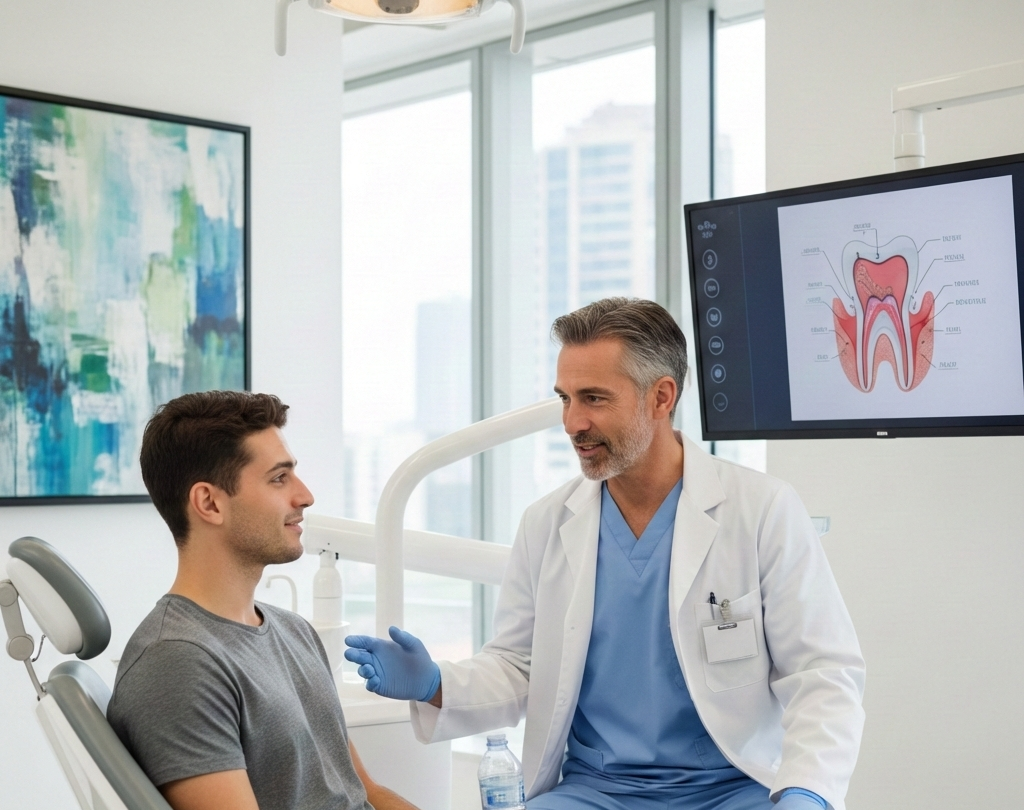
Endodontics focuses on the inner structures of the tooth, particularly the pulp and surrounding tissues. When infection, inflammation, or trauma affects this area, treatment becomes essential to prevent pain, bone loss, and potential tooth extraction. However, modern endodontic care goes far beyond simply removing infected tissue. It emphasizes preserving as much of the natural tooth as possible while restoring strength, function, and comfort.
Saving a natural tooth has significant advantages over replacement. Natural teeth maintain jawbone stimulation, preserve bite alignment, and help prevent neighboring teeth from shifting. Patients often don’t realize how quickly surrounding teeth can begin adapting to a missing tooth, sometimes leading to additional dental complications. By prioritizing preservation through advanced endodontic techniques, dentists help protect overall oral health in a way that artificial replacements cannot fully replicate.
This preventive philosophy is one reason patients searching for the best dentist in Harrisburg, PA increasingly prioritize practices that emphasize conservative, tooth-saving treatments rather than immediate extraction.
When Endodontic Care Becomes Necessary
Many dental infections develop gradually, often without obvious symptoms in their earliest stages. Because of this, patients sometimes delay evaluation until discomfort becomes unavoidable. Recognizing early warning signs can make treatment simpler and more predictable.
Some situations where endodontic care may be recommended include:
- Deep decay that reaches the pulp
- Trauma or cracks affecting internal tooth structures
- Persistent sensitivity to temperature changes
- Swelling or tenderness near the gums
- Discoloration suggesting internal damage
Addressing these issues early typically reduces treatment complexity and improves long-term outcomes. Patients who maintain regular visits with a dentist near you often benefit from early detection before symptoms escalate.
Technology Has Redefined Patient Comfort
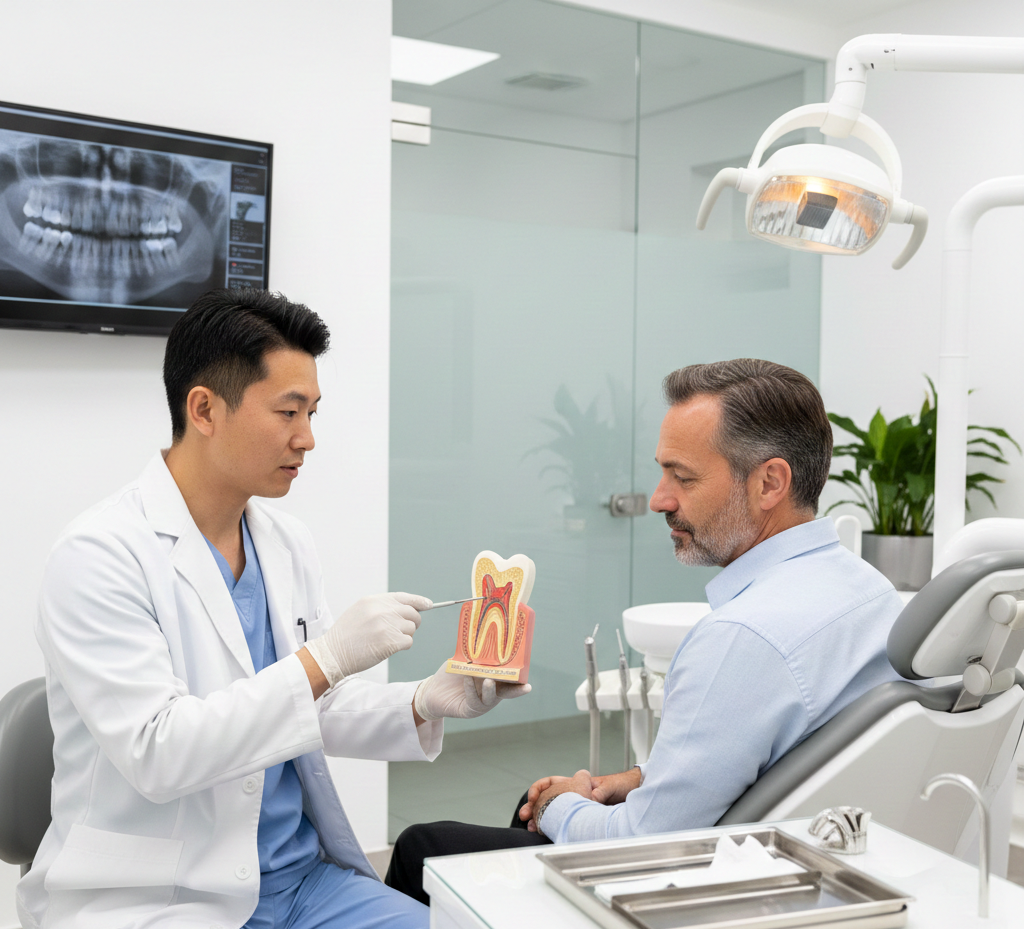
One of the most significant shifts in modern endodontics is how technology has improved both diagnosis and patient experience. Digital imaging allows dentists to visualize structures with exceptional clarity, making it easier to detect subtle infections or structural changes that traditional methods might miss. This precision helps ensure targeted treatment while preserving healthy tooth structure.
Equally important are advances in anesthesia techniques and treatment tools. Modern instruments are designed to be more efficient and less invasive, reducing chair time and improving patient comfort. Many procedures that once required multiple visits can now be completed more efficiently, allowing patients to return to normal activities sooner.
Patients who once feared endodontic procedures often express surprise at how manageable the experience feels today. Working with a top-rated dentist near you who uses modern technology can dramatically change expectations about dental treatment.
Beyond Root Canals: The Broader Scope of Endodontic Care
While root canal therapy remains the most widely recognized endodontic procedure, modern care encompasses a wider range of treatments designed to address complex dental conditions. These may involve managing internal tooth trauma, retreating previously treated teeth, or addressing infections that extend beyond the pulp.
Common components of advanced endodontic care include:
- Root canal therapy to eliminate infection and preserve the tooth
- Endodontic retreatment when prior therapy needs refinement
- Treatment of cracked or traumatized teeth
- Management of internal tooth resorption
- Coordinated restorative care to protect treated teeth
The Importance of Restoring Strength After Treatment
Treating infection inside a tooth is only part of the process. Once endodontic therapy is completed, protecting the remaining tooth structure becomes essential. Teeth that have undergone internal treatment can sometimes become more brittle over time, which is why restorative solutions such as crowns or advanced fillings are often recommended.
Proper restoration helps:
- Protect against fractures
- Maintain chewing efficiency
- Preserve bite alignment
- Prevent reinfection
- Extend the lifespan of the treated tooth
Patients often underestimate how critical this restorative phase is. Completing the process ensures that the benefits of endodontic treatment last for years rather than months.
Patient Experience Has Changed Dramatically
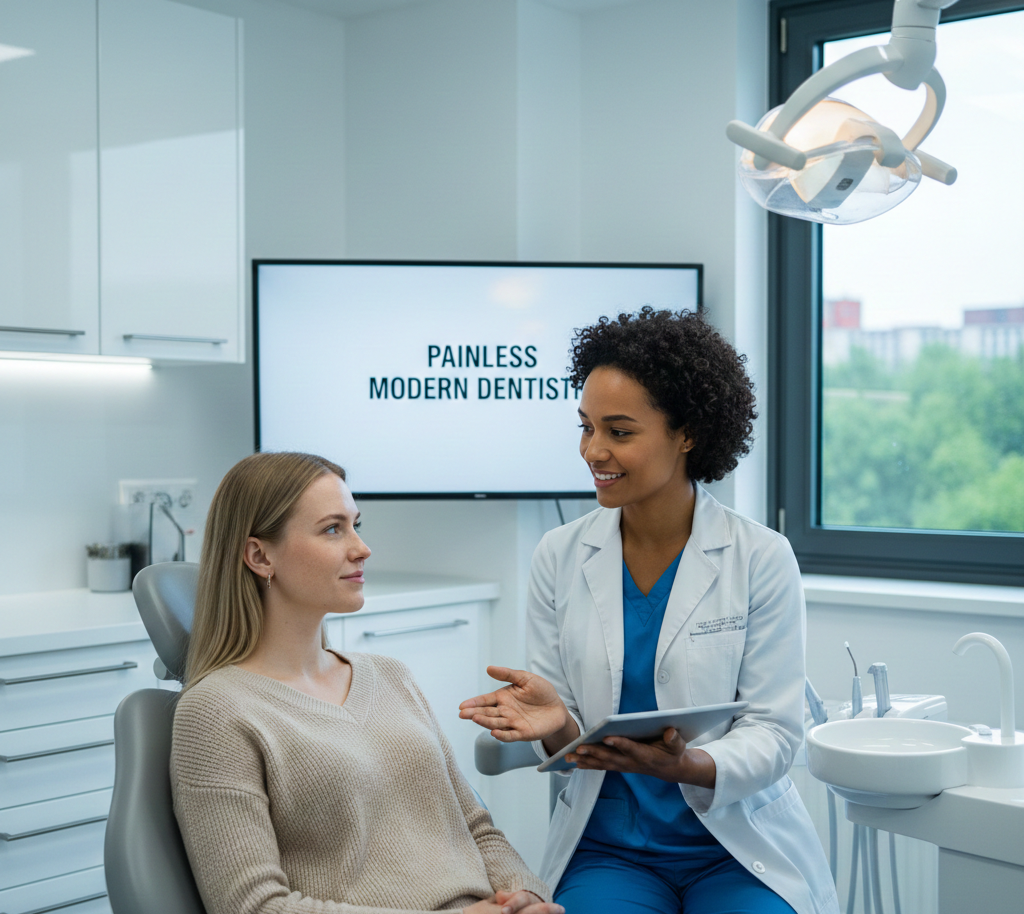
Many people still associate root canals with discomfort or lengthy recovery, but modern endodontic care is designed to minimize both. Improved anesthetic techniques allow procedures to be performed comfortably, while precision tools reduce tissue irritation.
Patients frequently report:
- Minimal discomfort during treatment
- Faster recovery than expected
- Improved chewing comfort afterward
- Relief from prior pain or sensitivity
Preventive Care Still Plays the Biggest Role
Even with advanced endodontic options available, prevention remains the most effective strategy. Routine dental exams, professional cleanings, and early intervention can often prevent the need for complex treatment altogether.
Preventive habits that support long-term tooth health include:
- Consistent brushing and flossing
- Regular dental checkups
- Prompt attention to sensitivity or pain
- Protective care for cracked or worn teeth
- Balanced dietary habits
Patients working with a best dentist near me who emphasizes prevention often experience fewer dental emergencies and more predictable oral health outcomes.
Why Harrisburg Patients Trust Nova Dental
Patients throughout Harrisburg choose Nova Dental because of the practice’s commitment to thorough care, clear communication, and advanced technology. Rather than rushing through procedures, the team prioritizes patient understanding, comfort, and confidence in treatment decisions.
Many patients appreciate:
- Personalized treatment planning
- Conservative, tooth-preserving philosophy
- Modern diagnostic and treatment tools
- A calm, supportive environment
- Focus on long-term oral health
This balanced approach allows patients to feel informed and comfortable throughout their dental care journey.
A New Perspective on Endodontic Care
Endodontics today represents far more than traditional root canal therapy. It is a specialized, technology-driven approach focused on preserving natural teeth, preventing complications, and supporting lifelong oral health. With modern techniques and patient-centered care, treatments that once felt intimidating are now far more comfortable and predictable.
At Nova Dental Harrisburg, patients searching for a top-rated dentist in Harrisburg, PA often find reassurance in knowing they have access to advanced endodontic care designed around both clinical excellence and patient comfort. Whether addressing early symptoms or managing more complex dental concerns, modern endodontic care offers effective solutions that protect your smile for the future.
FAQs
1. Is modern endodontic treatment painful?
No. With current anesthetic techniques and precision tools, most patients experience minimal discomfort during treatment.
2. How long can a tooth last after root canal therapy?
With proper restoration and oral hygiene, many treated teeth function normally for many years.
3. Can endodontic care prevent tooth extraction?
Yes. The primary goal is preserving the natural tooth whenever possible.
4. Do I always need a crown after a root canal?
Not always, but crowns are often recommended for strength, especially on back teeth.
5. When should I see a dentist about tooth pain?
Persistent sensitivity, swelling, or discomfort should be evaluated promptly to prevent complications.