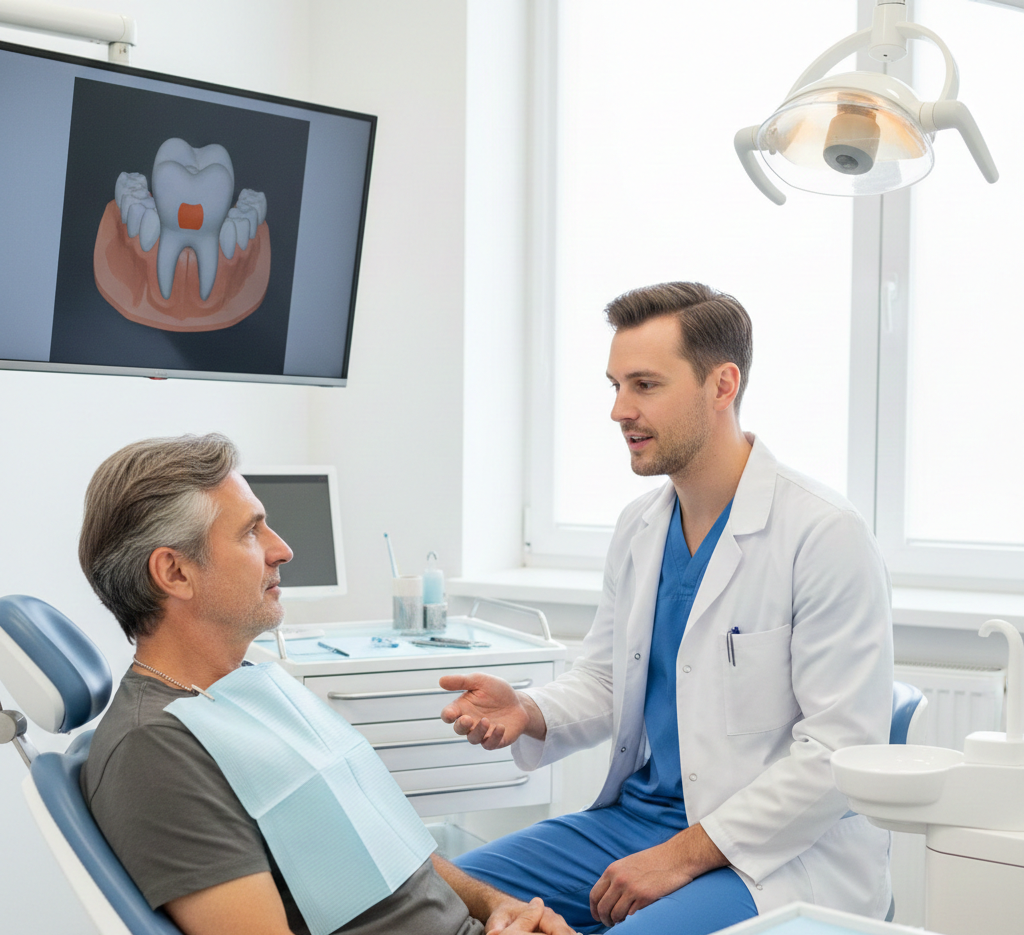
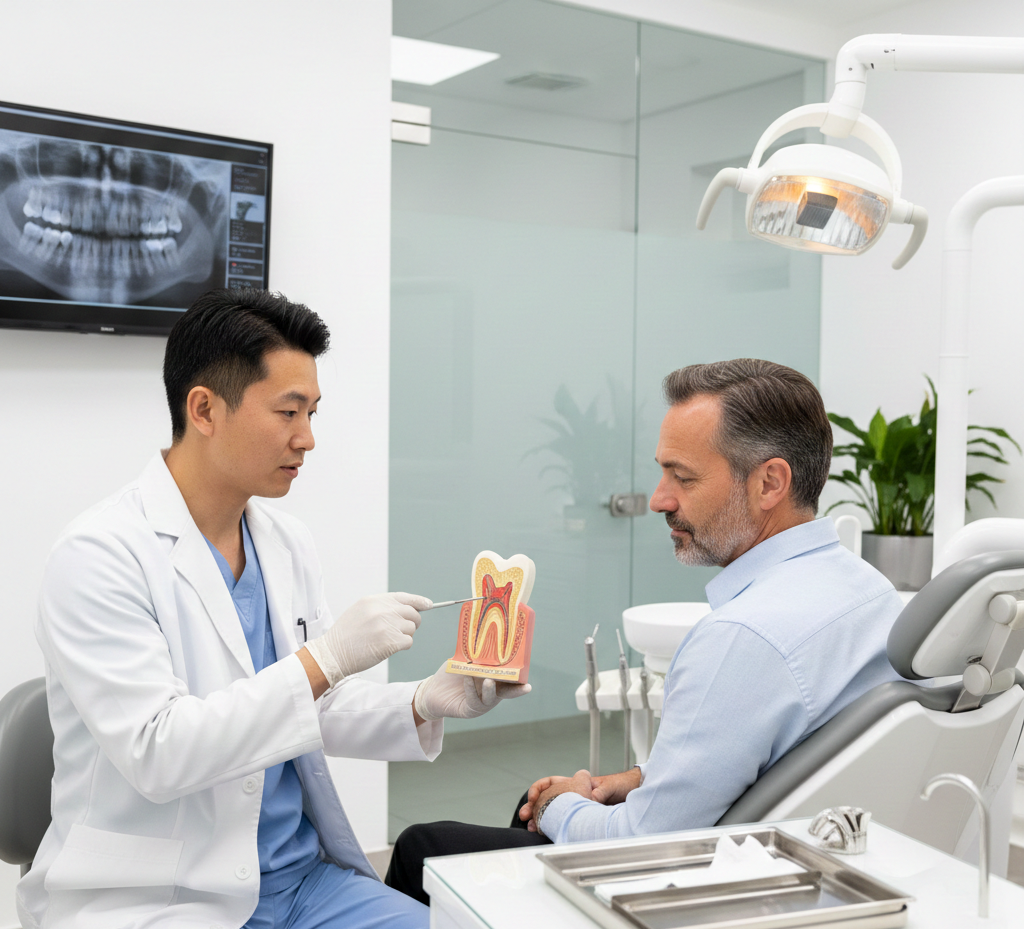
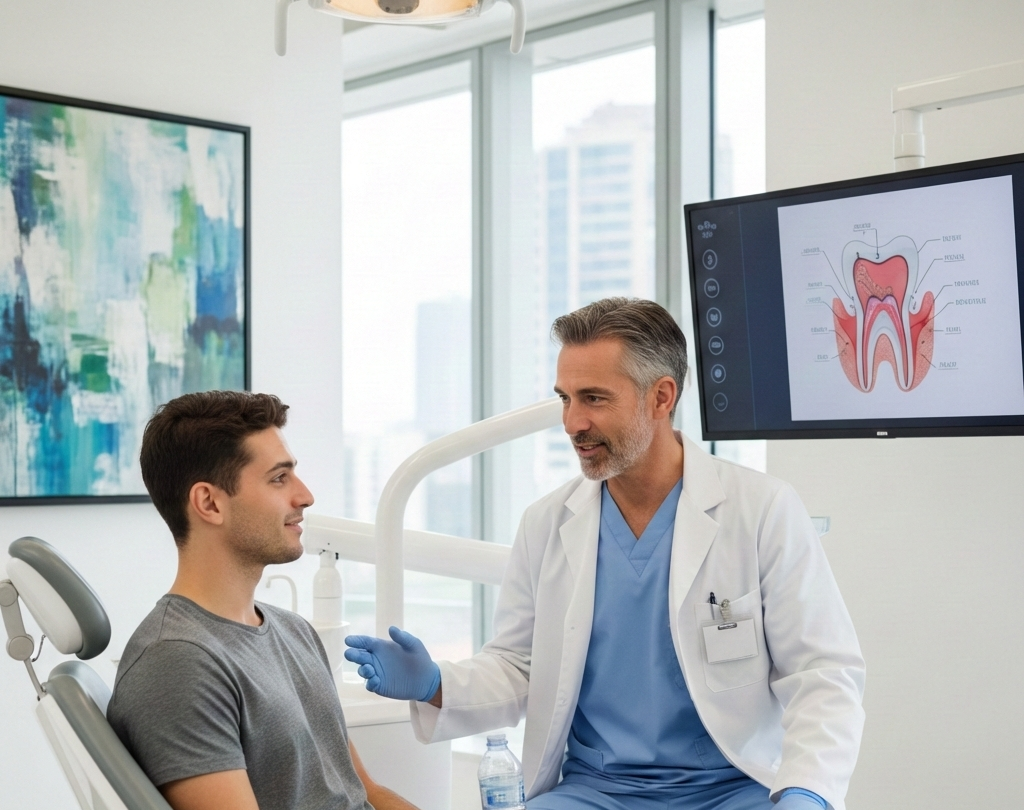
Wisdom teeth are often surrounded by confusion, mixed advice, and unnecessary anxiety. Some patients are told removal is inevitable, while others hear that keeping them is perfectly acceptable. The truth lies somewhere in between. Wisdom teeth, also known as third molars, can sometimes remain healthy and functional, but in other cases they can create problems that affect surrounding teeth, gums, and overall oral health.
At Nova Dental Harrisburg, the focus is always on individualized care rather than automatic extraction recommendations. Patients searching for a top-rated dentist near me frequently want clarity about whether removal is truly necessary. Located at 3301 Schoolhouse Lane, Harrisburg, PA 17109, Nova Dental serves patients from nearby communities including Progress, Colonial Park, Paxtang, Linglestown, Paxtonia, providing evidence-based guidance on wisdom tooth management.
What Wisdom Teeth Are and Why They Develop
Wisdom teeth typically emerge in the late teenage years or early twenties. Historically, they served a functional purpose when human diets required more chewing and jaw structures were generally larger. Over time, dietary changes and evolutionary factors have resulted in smaller jaws for many people, which means there is often limited space for these final molars to erupt properly.
When adequate space exists and the teeth align correctly, wisdom teeth can function like any other molar. However, limited space or improper angulation can cause impaction, crowding, or hygiene challenges. Understanding these factors helps patients make informed decisions rather than assuming removal is always necessary.
Many patients consulting a best dentist in Harrisburg, PA are surprised to learn that wisdom teeth management is highly individualized. There is no universal rule that applies to every patient.
When Wisdom Teeth Can Safely Remain
Not every wisdom tooth needs extraction. In some cases, these molars erupt fully, align properly, and remain easy to clean. When this happens, they can contribute positively to chewing function without causing complications.
Wisdom teeth may remain safely when:
- They have fully erupted without crowding neighboring teeth
- Gum tissue around them remains healthy
- Proper brushing and flossing access is possible
- There are no signs of decay, cysts, or infection
- Bite alignment remains stable
Even when wisdom teeth appear healthy, regular monitoring is important. Routine dental exams and imaging help ensure that subtle changes are detected early, allowing patients to maintain oral health without unnecessary intervention.
Patients working with a dentist near you who prioritizes preventive care often benefit from careful observation rather than immediate removal.
Situations Where Extraction Becomes Beneficial
While some wisdom teeth remain harmless, others can create problems that justify removal. These issues may develop gradually and sometimes without noticeable symptoms at first.
Extraction may be recommended when:
- Teeth are impacted beneath the gums or bone
- Crowding affects nearby teeth alignment
- Gum infections repeatedly occur around partially erupted teeth
- Cavities develop due to cleaning difficulty
- Jaw discomfort or bite problems emerge
Early evaluation helps determine whether removal is preventive or corrective. Addressing potential issues before complications worsen often simplifies treatment and recovery.
Impacted Wisdom Teeth Require Special Attention
Impaction occurs when a wisdom tooth does not fully emerge due to limited space or improper positioning. Impacted teeth may remain trapped beneath the gumline or partially erupt at an angle. This condition can create pockets where bacteria accumulate, increasing infection risk.
Impacted wisdom teeth sometimes cause:
- Persistent gum inflammation
- Difficulty chewing comfortably
- Pressure on adjacent teeth
- Occasional swelling or tenderness
- Increased risk of cyst formation
Not all impacted teeth cause immediate symptoms, which is why periodic evaluation with a top-rated dentist near you is important. Imaging allows dentists to monitor positioning and detect potential complications early.
Modern Extraction Techniques Have Improved Comfort
One reason patients hesitate about wisdom tooth removal is fear of discomfort. However, modern dental techniques, improved anesthesia methods, and advanced surgical tools have significantly enhanced patient comfort compared to previous decades.
Today’s procedures often involve:
- Precise imaging for accurate planning
- Minimally invasive surgical approaches
- Effective local anesthesia and sedation options
- Post-treatment care designed for faster recovery
Many patients report that the experience is far more manageable than expected, particularly when treatment is planned proactively rather than as an emergency intervention.
Why Timing Matters With Wisdom Tooth Decisions
Timing plays an important role in wisdom tooth management. Younger patients often heal more quickly, and early evaluation allows dentists to monitor development before complications arise. However, this does not mean immediate extraction is always necessary.
Careful timing decisions consider:
- Tooth positioning and development stage
- Symptoms or lack thereof
- Overall oral health status
- Risk of future complications
- Patient comfort and preferences
Patients seeking guidance from a best dentist near me often appreciate balanced recommendations that consider both clinical evidence and individual needs.
Recovery and Aftercare Considerations
Whether wisdom teeth are retained or removed, ongoing oral hygiene and monitoring remain essential. Patients who undergo extraction typically experience manageable recovery when they follow post-procedure instructions carefully.
Aftercare typically emphasizes:
- Maintaining gentle oral hygiene during healing
- Following dietary recommendations temporarily
- Attending follow-up visits when needed
- Monitoring for unusual symptoms
Clear instructions and patient education help ensure smooth healing and reduce anxiety surrounding the process.
Why Personalized Evaluation Is Essential
Wisdom tooth decisions should never be one-size-fits-all. Factors such as jaw structure, oral hygiene habits, medical history, and long-term dental goals all influence whether retention or removal is the better option.
At Nova Dental Harrisburg, individualized assessment ensures patients receive recommendations tailored specifically to their situation. This patient-centered approach is one reason many families consider Nova Dental a trusted choice when searching for a top-rated dentist in Harrisburg, PA.
Balanced Decisions Lead to Better Outcomes
Wisdom teeth are neither universally problematic nor universally harmless. The key lies in informed evaluation, ongoing monitoring, and thoughtful decision-making. Some patients benefit from keeping their wisdom teeth when conditions are favorable, while others gain long-term oral health advantages from proactive removal.
At Nova Dental Harrisburg, patients receive honest guidance, advanced diagnostics, and compassionate care designed to support long-term oral health. For those looking for a best dentist near you who prioritizes clarity and patient comfort, understanding your wisdom teeth options can be an important step toward maintaining a healthy, confident smile.
FAQs
1. Do all wisdom teeth need to be removed?
No. Many wisdom teeth remain healthy if they erupt properly and can be cleaned effectively.
2. How do dentists decide whether extraction is necessary?
Evaluation includes imaging, symptoms, positioning, gum health, and overall oral health considerations.
3. Is wisdom tooth extraction painful today?
Modern anesthesia and surgical techniques greatly improve comfort compared to past experiences.
4. Can wisdom teeth cause problems even without pain?
Yes. Impacted or poorly positioned teeth can create hidden issues that require monitoring.
5. How often should wisdom teeth be evaluated?
Regular dental checkups allow dentists to monitor changes and recommend action if needed.