Quick Answer: Good candidates for Invisalign are teens and adults with mild to moderate alignment concerns, such as crowding, gaps, or bite issues, who have healthy teeth and gums and can wear aligners roughly 20 to 22 hours a day. More complex cases may need a different approach. Nova Dental in Harrisburg, PA can tell you after an exam if Invisalign is a good fit.
Invisalign gets a lot of attention, and for good reason, but it isn’t the right tool for every smile. The best candidates share a few traits, and some of them have more to do with habits and gum health than with how crooked the teeth look. Here’s how to tell where you stand before you book a consultation.
What Makes Someone a Good Candidate
Most good candidates have four things in common:
- Mild to moderate crowding, spacing, or bite concerns
- Healthy teeth and gums, with any decay or gum disease already treated
- Permanent teeth that have come in far enough to plan around
- A willingness to wear the aligners most of the day
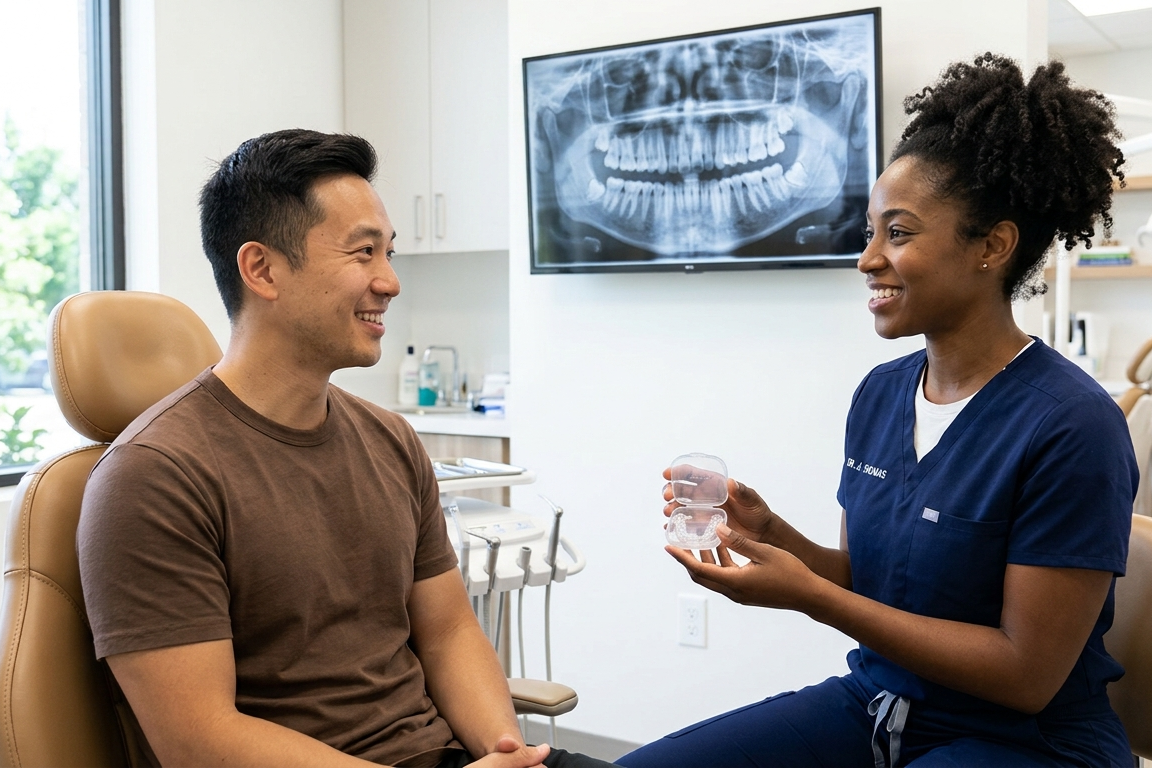
According to Invisalign’s own information, the aligners can be used by adults, teens, and even some children, so age alone rarely rules anyone out. In the end, your dentist makes the call after looking at your teeth and bite.
Alignment Concerns Invisalign Can Address
Clear aligners handle a wider range of problems than many people expect. Common concerns include:
- Crowded or overlapping teeth
- Gaps between teeth
- An overbite or underbite
- Teeth that have shifted after past braces
Smaller fixes count too. If one or two teeth are out of line, a short course of aligners may be enough.
Why Oral Health Comes First
Teeth move through bone and gum tissue, so the foundation has to be healthy before treatment starts. Cavities that need fillings and gum problems that need gum care are usually handled first, since moving teeth with untreated disease can make both worse.
This is one reason a dental exam matters before you commit. It shows whether your mouth is ready now, or whether a short detour will make the final result better.
Age Considerations for Teens and Adults
Adults of any age can be good candidates as long as their teeth and gums are healthy. Teens are often good candidates too, particularly when most of their permanent teeth have come in. Aligners made for teens can account for teeth that are still erupting, but each case is different.
For younger children, early evaluation looks different, and children’s dentistry checkups are a good place to start the conversation about timing.
Commitment Matters as Much as Anatomy
Invisalign only works while the aligners are in your mouth. That means wearing them roughly 20 to 22 hours a day, taking them out to eat and drink anything besides water, and cleaning your teeth before putting them back in. You’ll also switch to a new set on schedule and keep your follow-up visits.
People who like routines tend to do well. If your days are unpredictable and you think you’d leave aligners in a case, say so at your consultation. A good dentist would rather hear it now than see slow progress later.
When Invisalign May Not Be the Best Fit
Some cases are better served by another approach. Severe crowding, complex bite or jaw problems, and certain teeth that need to move in difficult ways may respond better to braces. In those situations, orthodontic care with brackets and wires can offer more control.
That isn’t a failure of Invisalign, just a matter of matching the tool to the problem. Getting an honest answer up front saves time and money.
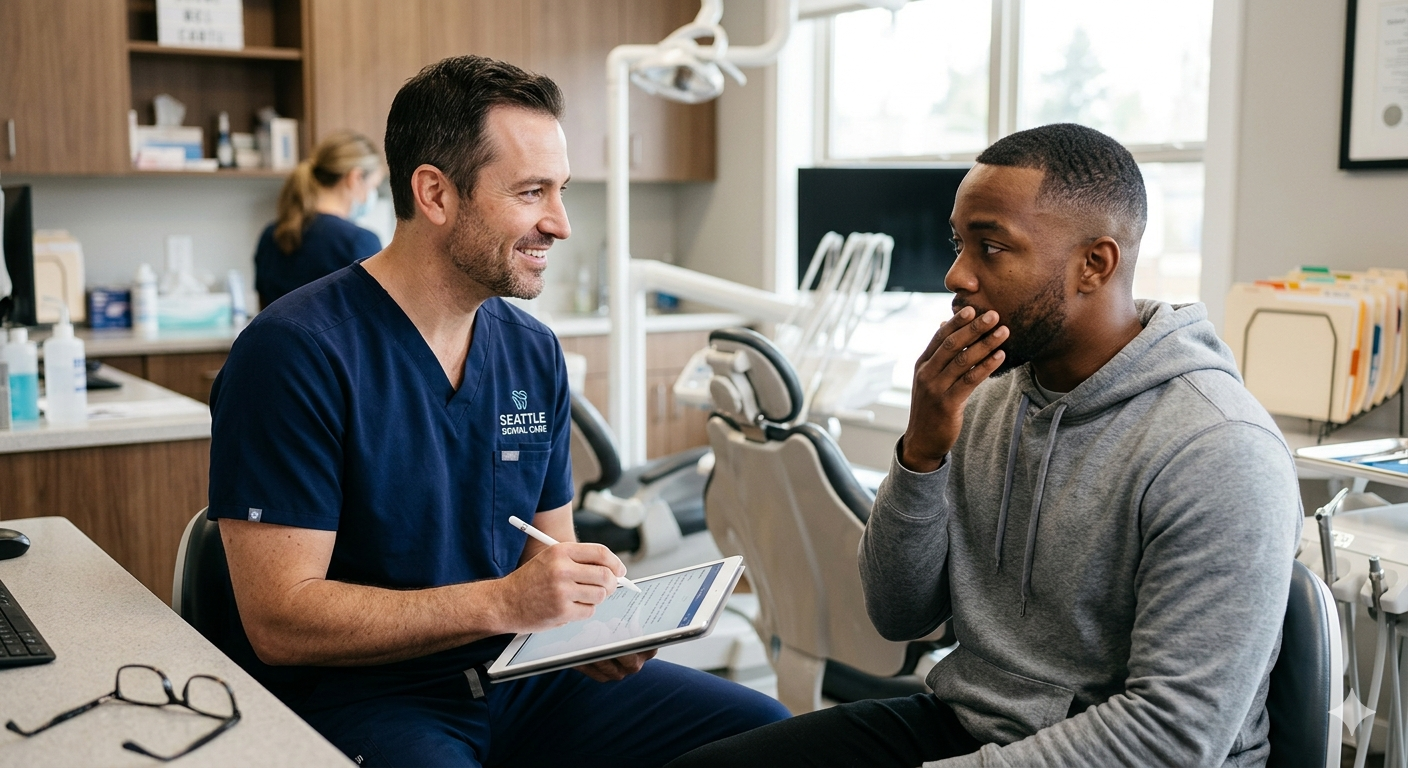
What to Expect at a Consultation
If you’ve been searching “Invisalign near me”, here’s what a first visit usually involves:
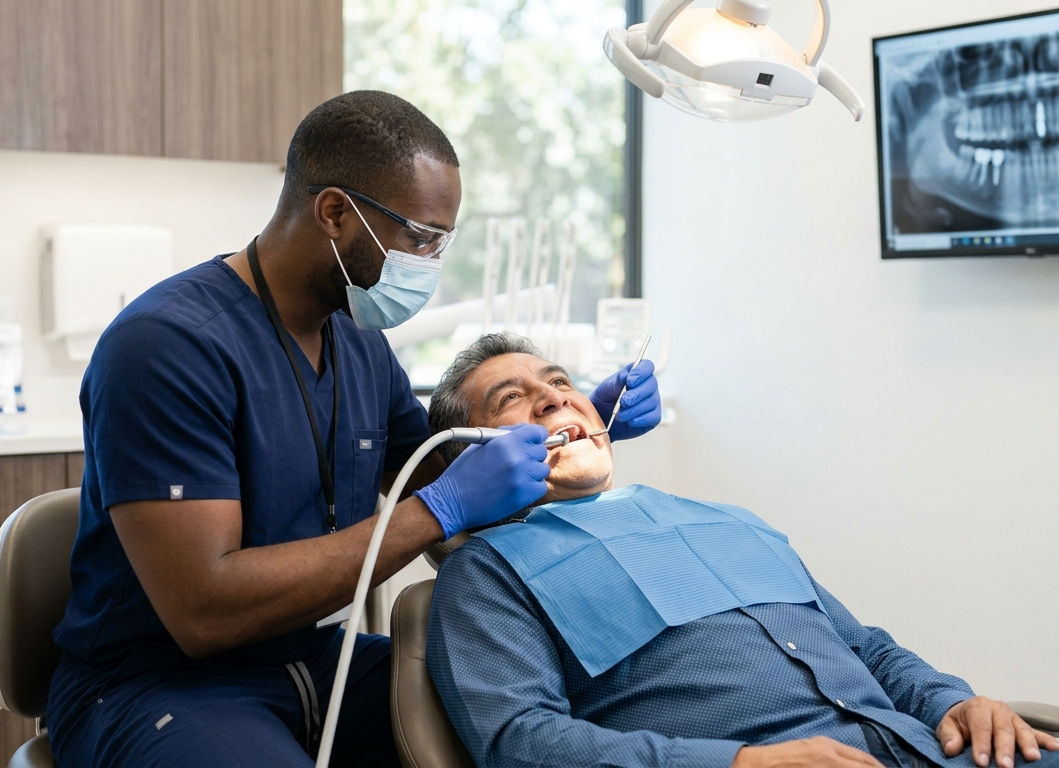
- An exam of your teeth, gums, and bite.
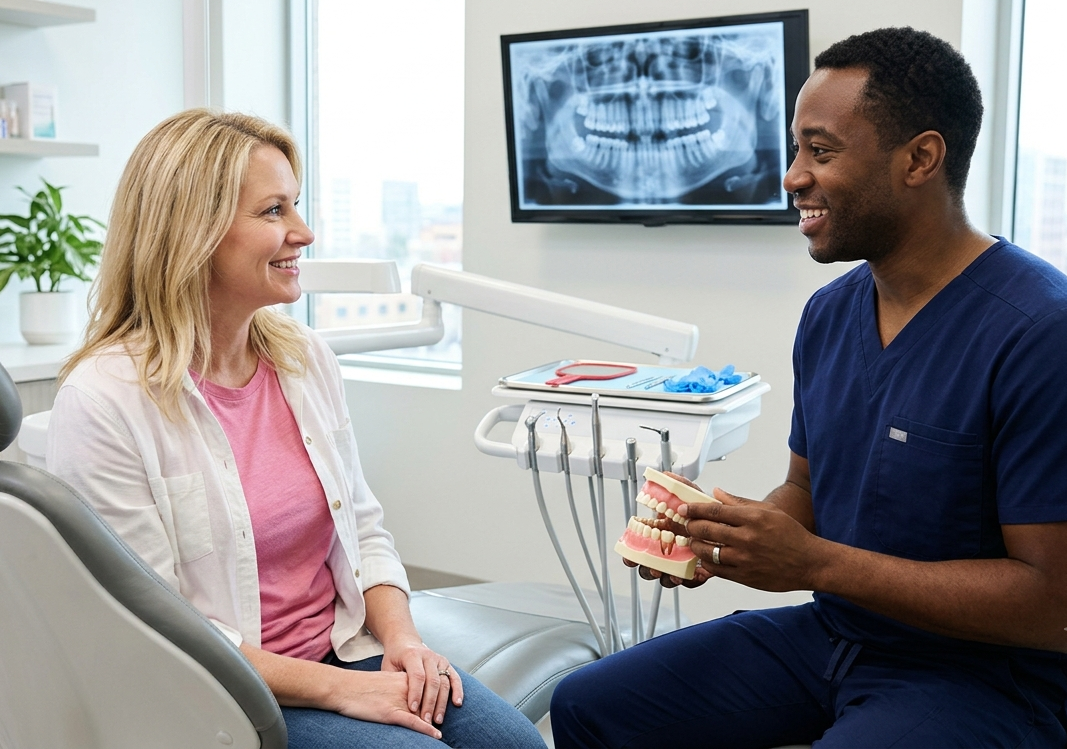
- Imaging, so your dentist can see what’s happening beneath the surface.
- A conversation about your goals, including what you’d like to change and how quickly.
- A recommendation, which may be Invisalign, another option, or a short list of steps to take first.
You should leave knowing whether you’re a candidate, roughly how long treatment may take, and what the next step is.
How Nova Dental Approaches Invisalign
At Nova Dental, candidacy is decided by your mouth, not by a sales target. As a dentist in Harrisburg, PA that offers Invisalign, the team looks at your teeth and bite, explains what’s realistic, and tells you plainly if another option would serve you better.
Cost is part of that conversation. Our team can walk you through payment options and help with insurance questions, so the plan fits your budget before you begin.
Start With a Conversation About Your Smile
You don’t need to have it all figured out before you reach out. Schedule a consultation or call us at 717-745-2600, and we’ll review your smile and answer your questions. Patients visit us from Progress, Colonial Park, Paxtang, Linglestown, and across Harrisburg.
Frequently Asked Questions
1. Can adults of any age use Invisalign?
Yes, as long as the teeth and gums are healthy. Age on its own isn’t a barrier, though gum health and bone support matter more as we get older.
2. Is Invisalign good for severe crowding?
Often not the best choice. Invisalign works best for mild to moderate concerns, and severe cases may do better with braces. An exam is the only way to know for sure.
3. How many hours a day do I need to wear aligners?
Roughly 20 to 22 hours. You’ll take them out to eat, to drink anything other than water, and to brush and floss.
4. Can I get Invisalign if I have crowns, fillings, or implants?
Often yes. Existing fillings and crowns usually don’t prevent treatment, though they can affect how the plan is designed. Implants don’t move like natural teeth, so your dentist will plan around them.
5. Is there a minimum age for Invisalign?
It depends on how far along a child’s permanent teeth are, not just on age. Your dentist will look at development and recommend the right timing.