Quick Answer: You can replace a missing tooth with a dental implant, a fixed bridge, or, when most teeth are gone, a full set of replacement teeth. The best choice depends on how many teeth are missing, the health of your gums and jawbone, and the teeth next to the gap. Nova Dental in Harrisburg, PA can examine your mouth and explain which option fits.
A missing tooth rarely stays a small problem. According to the American Dental Association’s MouthHealthy site, a gap can change how you speak and eat, nearby teeth may shift, and bone loss can occur around the space. The good news is that replacement is routine, and the right approach is easier to find when you start with the right questions.
Start With Why the Tooth Is Missing
The cause shapes the plan. A tooth lost to injury often leaves healthy gums and bone behind, which keeps your choices wide open. A tooth lost to decay or gum disease is different, since the surrounding tissue may need treatment first.
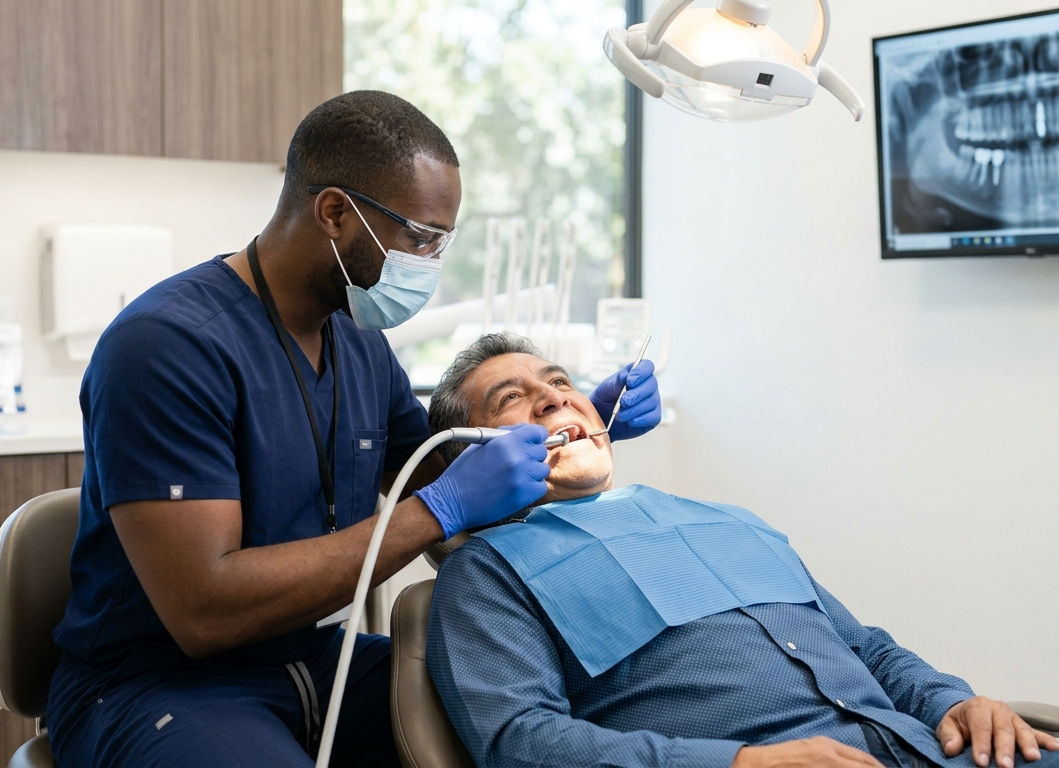
If the tooth hasn’t come out yet, planning can begin before a tooth extraction. Thinking ahead about the replacement often leads to a smoother result.
Replacing a Single Missing Tooth
When one tooth is gone, two options come up most often:
- A dental implant. A small post is placed in the jawbone and topped with a custom crown. It replaces the root, and it doesn’t rely on the teeth around it. The ADA describes implants as the option most similar to a natural tooth.
- A fixed bridge. An artificial tooth is anchored to the teeth on either side, which are reshaped and capped to hold it. It’s often quicker and doesn’t involve surgery.
The deciding factors are usually the condition of the neighboring teeth and the health of your bone. If the teeth beside the gap are strong and untouched, an implant keeps them that way. If they already need crowns, a bridge may make good use of that work.
Replacing Several Teeth in a Row
Losing a few teeth side by side changes the math. A bridge can span a longer gap, and it can be supported by natural teeth or by implants, depending on what’s available. Using implants for support spares the neighboring teeth, and you don’t need an implant for every missing tooth.
This is where a plan tailored to your mouth really matters. The number of teeth, where they sit, and how strong the bone is can all point toward a different answer.
Replacing Most or All Teeth
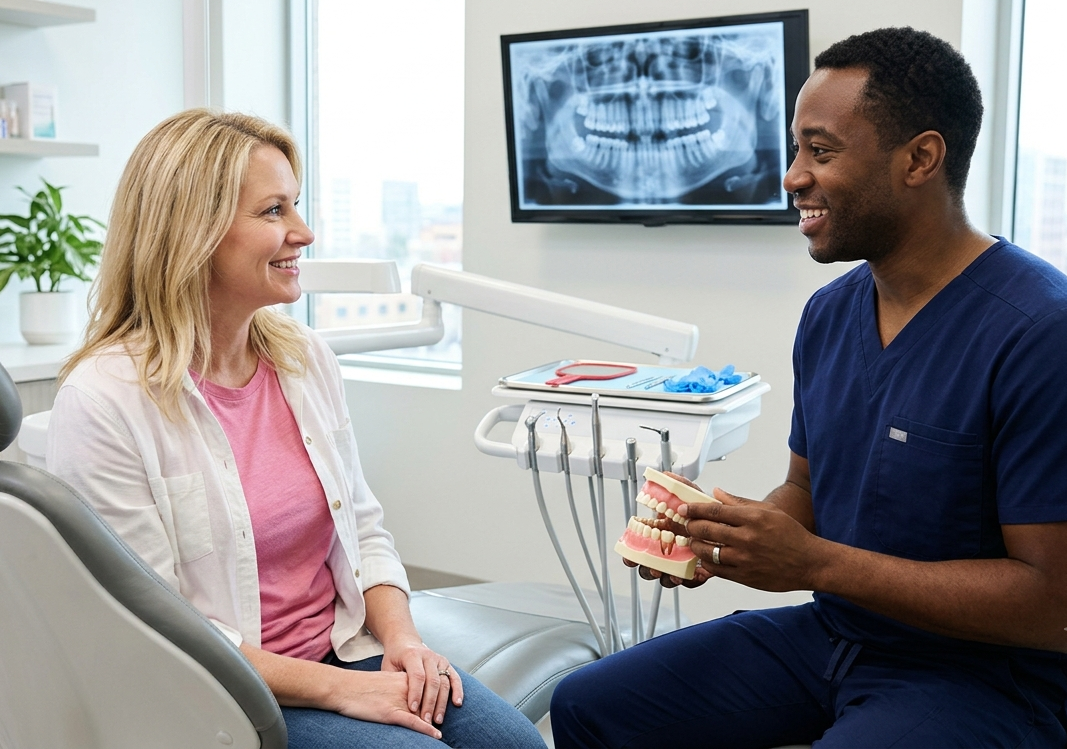
When most of the teeth are gone, the focus shifts to restoring a full smile and bite. Per the ADA, dentures are one option for people who have lost all or most of their teeth. Many patients also look at permanent teeth replacement, which uses implants to hold teeth that stay in place instead of coming out each night.
Each approach has trade-offs in comfort, upkeep, and cost, and a consultation is the best way to see them side by side.
What Can Delay or Change Your Plan
A few things can slow down a replacement or steer it in a different direction:
- Active gum disease, which usually needs gum care first
- Bone that has shrunk since the tooth was lost
- Smoking, which can affect healing
- Health conditions that slow recovery
None of these automatically rules out treatment. They simply mean the first step may be preparing the area, and the earlier you act, the more bone and options you tend to have.
How the Process Usually Unfolds
Every case differs, but most follow the same general path:
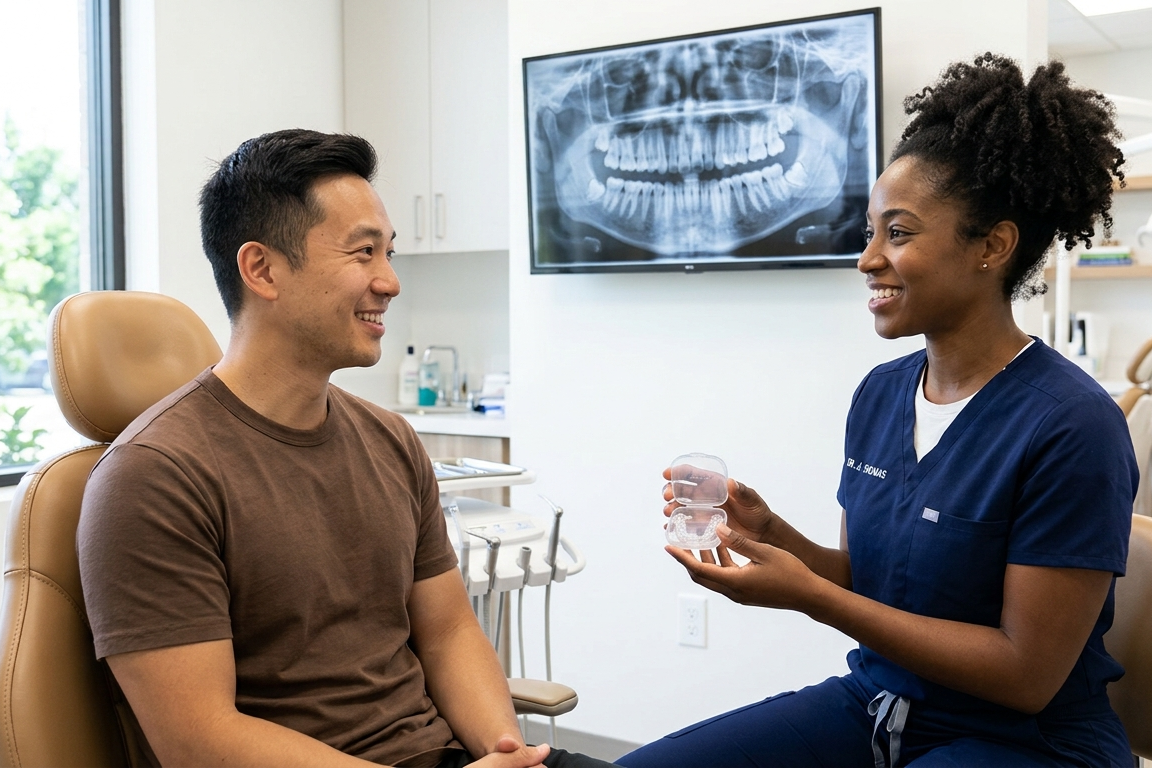
- Exam and X-rays to check your gums, bone, and nearby teeth.
- A plan that covers the type of replacement, the order of steps, and the expected timeline.
- Preparation, such as treating gum disease or healing after an extraction.
- Placement, meaning an implant post, a bridge, or another restoration.
- The finished tooth, shaped and matched to blend in with your smile.
Healing takes time with implants, so your dentist should give you a realistic timeline up front.
How to Choose the Right Option
If you’ve been searching “missing tooth replacement near me”, a few questions can help you compare what you find:
- What are all the options for my situation, and why do you recommend this one?
- How will it affect the teeth next to the gap?
- What does the full process involve, from first visit to final tooth?
- How will I care for it, and how long should it last?
- What will it cost, and what will insurance cover?
A good dentist welcomes these questions and answers them plainly.
How Nova Dental Approaches Tooth Replacement
At Nova Dental, a replacement plan starts with understanding your mouth, not with a preset answer. As a dentist in Harrisburg, PA that offers implants, bridges, and permanent teeth replacement, the team explains how each option works and what to expect before you commit.
Cost belongs in that conversation too. Our team can walk you through payment options and insurance benefits so the plan fits your budget.
Take the First Step Toward a Complete Smile
You don’t have to know which option you want before you call. Schedule a consultation or call us at 717-745-2600, and we’ll examine the area and walk you through your choices. Patients visit us from Progress, Colonial Park, Paxtang, Linglestown, and across Harrisburg.
Frequently Asked Questions
1. What is the fastest way to replace a missing tooth?
A bridge is usually completed in fewer visits than an implant, which needs time to heal. The right timeline depends on your mouth, so your dentist can give you a realistic estimate.
2. Can I replace a tooth right after an extraction?
Sometimes planning starts at the extraction itself, but timing depends on how the area heals and how much bone is there. Your dentist will advise you based on your case.
3. Is it okay to leave a gap if it’s in the back of my mouth?
It isn’t ideal. Back teeth do much of the chewing, and the ADA notes that a missing molar can affect how you chew and that nearby teeth may shift.
4. How many teeth can one implant replace?
One implant replaces one tooth root. A few implants can support several teeth, such as a bridge or a full set of replacement teeth.
5. Does insurance cover tooth replacement?
Coverage varies by plan and by treatment. Our team can help review your benefits so you know what to expect before you start.